Are you planning a demolition project in NSW? Then you'll definitely want to read this article! Before you start any work, there are some important pre-demolition requirements to consider, including approvals, asbestos inspections, service disconnections, site preparation, demolition work plans, and safe work method statements! Each step plays a role in keeping your demolition work compliant and controlled.
Whether you are removing part of a structure or clearing an entire site, this guide will explain exactly what you need to do before your demolition project starts, so you can ensure a successful outcome!
Pre-demolition planning is critical because it helps make your project safer, smoother, and more compliant from the start. Demolition work often involves hidden hazards, nearby structures, live services, restricted access, waste handling, and environmental risks. Careful planning allows these issues to be identified as soon as possible, so the right controls can be put in place before work begins!
Here are the main reasons why pre-demolition planning is so critical:
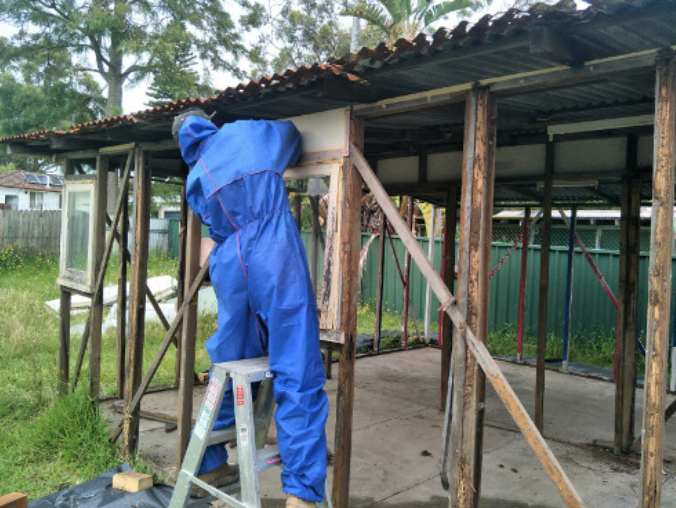
Before your demolition work begins, you need to confirm which approval pathway applies to your project. In NSW, some demolition work can be handled as complying development if it meets the Demolition Code standards, while other projects require council approval through a Development Application.
You might also need to notify SafeWork NSW before licensed or notifiable demolition work starts, including work on certain load-bearing structures, suspended floors, or involving explosives. The safest approach is to have a professional demolition company assess the site conditions, property constraints, heritage status, and council requirements as early as you can. Getting the right approvals in place first helps you work safely while avoiding delays and penalties!
Pre-demolition asbestos inspections are non-negotiable because asbestos could be lurking in roofing, wall sheeting, eaves, flooring, insulation, adhesives, pipes, and other older building materials. If these materials are disturbed during your demolition project, the dangerous fibres can become airborne, posing serious health risks to anyone involved.
SafeWork NSW advises checking the asbestos register before demolition, or arranging an inspection by a competent person if no register is available. It also states that asbestos must be removed before demolition work begins!
Hazardous material removal must happen first because demolition can crush, spread, and contaminate waste, soil, machinery, and surrounding areas. Removing asbestos and other hazardous materials before you start your demolition project ensures they are handled and disposed of safely by licensed professionals.

Before demolition starts, all relevant services must be safely disconnected or isolated, including:
Service disconnections should be arranged in advance, as providers may need time to process requests, visit your site, and issue confirmation.
Site preparation is also important! The area should be cleared of any personal items, loose materials, vegetation, stored chemicals, and anything being salvaged. Access points should be planned for machinery, trucks, skips, and workers. Temporary fencing, signage, dust controls, and protection for nearby areas might also be needed before demolition begins!
A Demolition Work Plan (DWP) should outline how your demolition work will be carried out from start to finish. It should include the scope of work, demolition sequence, site access, plant and equipment, waste handling, hazardous material controls, exclusion zones, emergency procedures, and measures to protect nearby people and properties.
A Safe Work Method Statement (SWMS) focuses on high-risk construction activities. It should identify the task, the hazards involved, the risks created, and the control measures used to manage those risks.
Both of these documents should be site-specific, easy to follow, and reviewed well before work begins!
Structural considerations are essential for both partial and full demolition projects. Before work begins, the building needs to be assessed to understand how loads are supported, where structural elements are located, and how removal could affect stability. This is especially important for partial demolition, where sections of the structure need to remain safe and intact!
Key areas to consider are:
A clear demolition sequence will help you reduce the risk of collapse, movement, cracking, or damage to nearby structures during your project.
Before demolition begins, it is also worth thinking about the project budget as a whole. Demolition, asbestos removal, service disconnections, waste disposal, access issues, and site preparation can all affect the final cost of a renovation or rebuild. This construction estimation guide explains how proper planning and accurate costing can help homeowners avoid budget blowouts before work begins.
Complying with NSW environmental obligations is another very important part of responsible demolition! Demolition work can create dust, noise, vibration, runoff, waste, and potential contamination if not properly managed. Before work begins, your site should have controls in place to reduce impacts on neighbours, stormwater systems, surrounding properties, and the environment.
These controls include dust suppression, sediment controls, noise management, proper waste separation, recycling where possible, and safe disposal of regulated materials. Contractors should also prevent debris, chemicals, and contaminated water from leaving the site. Good environmental management helps keep your demolition project safe and compliant!
If your demolition project is part of a larger outdoor renovation, it is also worth considering how the site will be rebuilt and landscaped once the structure is removed. Proper planning at the demolition stage can make future excavation, drainage, retaining walls, turf installation, and outdoor construction much easier and more cost-effective. This guide on what to ask before hiring landscape designers in Sydney explains how experienced designers plan for Sydney's climate, terrain, and long-term functionality before any landscaping work begins.
All these pre-demolition requirements can feel overwhelming! You have to think about so many things, including approvals, inspections, service disconnections, safety documents, site preparation, structural risks, and environmental responsibilities. The good news is that a licensed demolition contractor can help you navigate the whole process!
An experienced contractor understands the rules, processes, hazards, and practical requirements involved in demolition work. They can help you coordinate planning, identify risks, properly prepare the site, organise safe demolition methods, and ensure the right controls are in place before work begins. Hiring a professional demolition contractor saves you a lot of stress and helps you ensure a successful demolition project.
Yes. Even when it is not the main approval requirement, it is always a good move to let neighbours know before demolition begins. Give them the expected start date, working hours, likely duration, and a contact number they can call if they have any concerns. This can really help reduce complaints about noise, dust, vibration, blocked access, or shared boundary issues.
You should start as early as possible! Some steps may take longer than you think, and early delays can affect the entire project timeline. Early planning gives you time to compare contractors, gather documents, and avoid last-minute problems.
A dilapidation report is strongly recommended when the demolition site is close to a neighbouring home, shared wall, driveway, fence, retaining wall, or public asset. This report records the condition of nearby structures before work begins. This can help protect both you, as the property owner, and your neighbours if there are later concerns about cracks, movement, or damage.
All your personal items, loose furniture, valuables, stored materials, appliances, garden equipment, and anything you want to keep should be removed before the contractor arrives. You should also check whether any fixtures, bricks, timber, doors, windows, or fittings are being salvaged. Anything left behind will be treated as demolition waste unless otherwise agreed!
Work may need to pause while the issue is assessed. This could include hidden hazardous materials, unstable sections, underground obstructions, old tanks, undocumented structures, or unexpected site conditions. A professional demolition contractor will secure the area, notify the right people, update the work plan if needed, and only continue once it is safe and compliant to do so.